GET ADDITIONAL 20% DISCOUNT ON FIRST PURCHASE USE CODE "FIRST20"

Drowning in Toys? The Beginner’s Guide to Toy Rotation
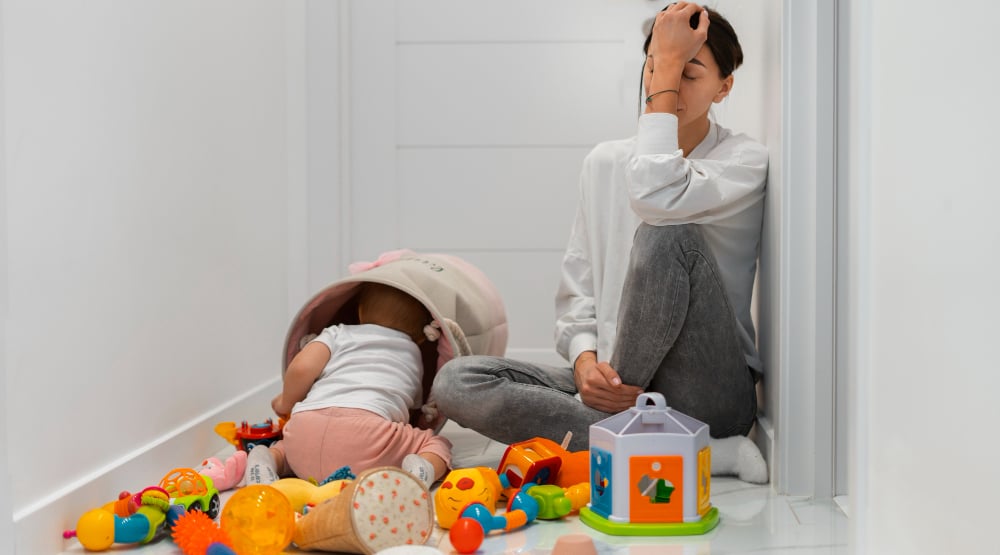
Does your living room look like a toy store exploded? Do you find yourself constantly tidying up, only to have the mess return ten minutes later? And perhaps the most frustrating part: despite having baskets overflowing with toys, does your child still come to you saying, "I'm bored"?
At Qluebox, we understand this struggle. We buy toys because we love our children and want them to learn and be entertained. But there is a counterintuitive truth about playtime: Too many toys can actually lead to less play.
When faced with too many choices, a young child's brain can become overwhelmed. Instead of deeply engaging with one item, they flit from toy to toy, pulling everything out, making a mess, and ultimately feeling unsatisfied.
The solution isn't to stop buying toys; it's to change how they are presented. Enter: Toy Rotation.
What is Toy Rotation?
Toy rotation is the practice of having only a limited selection of toys available to your child at any one time, while the rest are stored away out of sight. Every few weeks, you "rotate" the toys—packing away the current set and bringing out a "fresh" batch from storage.
It sounds simple, but the results are magical. A toy that has been hidden away for a month feels brand new when it reappears. The clutter disappears, and suddenly, your child has the mental space to truly focus.
Why Quality Matters Over Quantity
When you only have 8–10 toys out on the shelf, those toys need to be good ones. They need to be durable, engaging, and open-ended. This is where "heirloom quality" wooden toys shine.
Cheap plastic toys that only do one thing (like make a noise when you press a button) lose their appeal quickly. But high-quality tools for learning, like Qluebox puzzles and building sets, offer layers of discovery that keep children engaged for longer periods.
A Beginner’s Guide to Starting Rotation
Ready to reclaim your floor and boost your child's engagement? Here is a simple way to start:
1. The Great Sort
Wait until your child is asleep or out of the house. Gather every toy in the main play area. Toss anything broken. Donate anything they have outgrown.
2. Create Your "Current" Collection
Select about 8 to 12 items to keep out. Try to choose a variety of activities. For example, your current rotation might include:
* A Cognitive Challenge: The Qluebox Alphabet Puzzle. When this is one of only a few options, your child is more likely to sit and master placing the letters A through Z, rather than just dumping the pieces and walking away.
* A Motor Skill Builder: The Cube Pattern Box. This requires concentration and steady hands to replicate the patterns on the cards. It’s perfect for focused, quiet play.
* A Literacy Activity: The Word Building set with picture cards. Having this set out specifically encourages early reading practice without distractions.
* Open-Ended Essentials: A set of plain blocks, some art supplies, and a favorite stuffed animal for pretend play.
3. The "Away" Bins
Take everything else and pack it into opaque plastic bins or a closet where your child cannot see them. Out of sight, out of mind is crucial here!
4. The Rotate
Watch your child. Are they ignoring the current toys? Is the messy tossing returning? That’s your cue. Pack up the current set and bring out a fresh bin from the closet. Watch their eyes light up as they rediscover "old" favorites.
The Calm After the Storm
By implementing toy rotation, you aren't just cleaning your house; you are curating an environment for better play. You are teaching your child to value what they have and giving them the space to build concentration and creativity.
Fewer toys mean less cleanup for you, and deeper, more meaningful play for them. It’s a win-win that brings a little more "glue" to your family time.
Follow us on
Qluebox
Smart Play for Growing Minds
Contact Us
Legal
© 2025 Qluebox®. All rights reserved.
Stay Up to Date